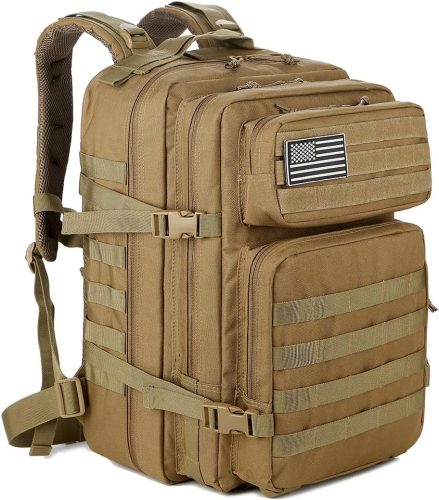
Choosing the best survival backpack is essential. Indeed, it will be your nomadic home, with everything you need to carry on your back.
Your survival backpack should be both :
sturdy
comfortable (straps that don’t tear your shoulders after half an hour)
practical (with storage space to find things easily)
waterproof (you should have an extra bag to protect it from the rain anyway)
ergonomic: designed to fit everything: pockets, cords, zippers, rings, etc.
Survival bag or evacuation bag (B.O.B)?
Your choice will depend on survival conditions:
Are you in a vehicle or just on foot?
Do you want an everyday bag (larger, it contains everything needed for survival)?
Or an evacuation bag (the B.O.B: Bug Out Bag), smaller with the bare necessities?
In any case, remember to take a bag protector in case of rain. In the worst case, a 50 L trash bag will protect your bag and all your stuff inside.
We advise you to bring a large survival bag (at least 50 L) for a longer period of time like 72 hours. You will be able to put your extra clothes, all the tools and objects that you consider essential for bushcraft.
You should also bring a second, smaller bag (maximum 30-35 L for 24 hours). This will be your B.O.B. with all the equipment strictly necessary for 3 days of autonomy. This evacuation bag is the one that you must take with you in case of an emergency or disaster. The government itself encourages everyone to always have their B.O.B. on hand.
What’s in your bug-out bag (B.O.B.)?
This bag is a kind of emergency kit for a 72 Hours autonomy.
Depending on the emergency situation and your evacuation location, its contents may vary, but there is a common base.
Survival bag or evacuation bag (B.O.B)?
Your choice will depend on survival conditions:
Are you in a vehicle or just on foot?
Do you want an everyday bag (larger, it contains everything needed for survival)?
Or an evacuation bag (the B.O.B: Bug Out Bag), smaller with the bare necessities?
In any case, remember to take a bag protector in case of rain. In the worst case, a 50 L trash bag will protect your bag and all your stuff inside.
We advise you to bring a large survival bag (at least 50 L) for a longer period of time like 72 hours. You will be able to put your extra clothes, all the tools and objects that you consider essential for bushcraft.
You should also bring a second, smaller bag (maximum 30-35 L for 24 hours). This will be your B.O.B. with all the equipment strictly necessary for 3 days of autonomy. This evacuation bag is the one that you must take with you in case of an emergency or disaster. The government itself encourages everyone to always have their B.O.B. on hand.
What’s in your bug-out bag (B.O.B.)?
This bag is a kind of emergency kit for a 72 Hours autonomy.
Depending on the emergency situation and your evacuation location, its contents may vary, but there is a common base.
Emergency Food Gear
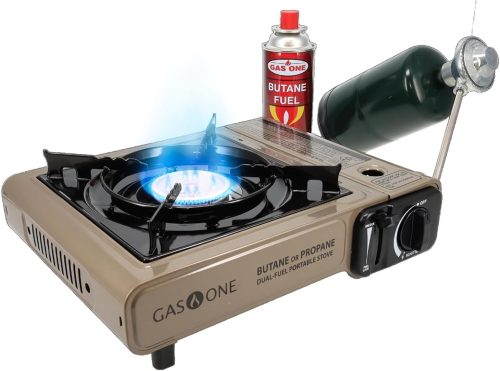
Propane or Butane Stove Dual Fuel Stove Portable Camping Stove
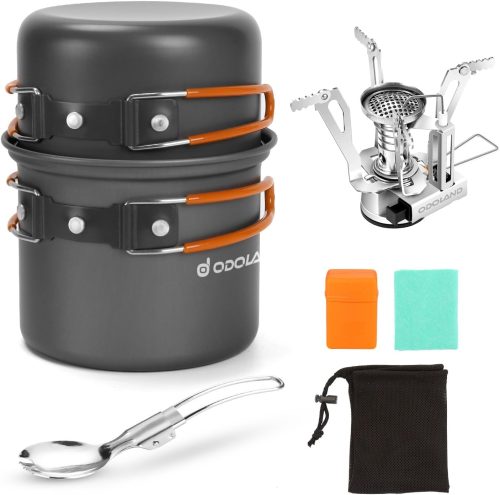
Kitchen kit (metal utensils and containers):
Small items for eating and drinking:
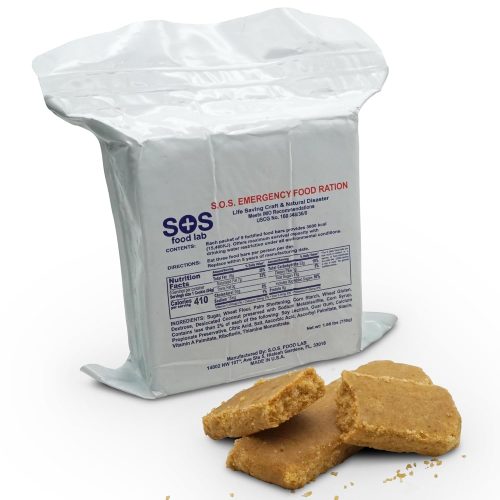
Emergency Food
Freeze-dried food, energy bars, dried fruit, and nuts.
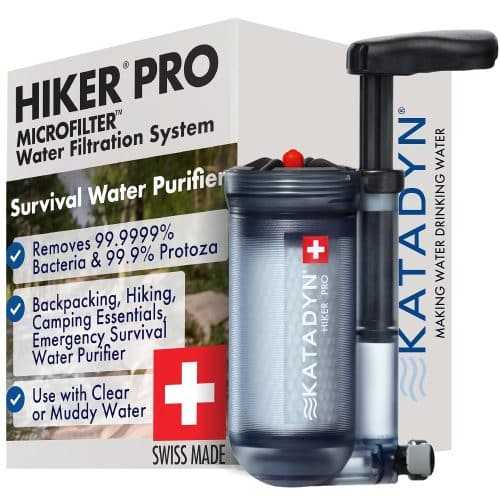
Water filters.
Emergency Night Kit
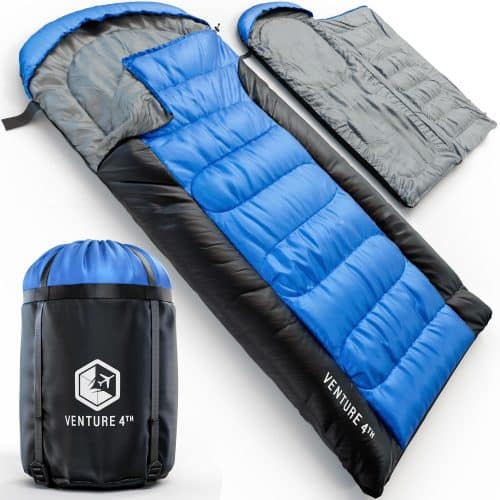
Military type sleeping bag: the easiest way is to take the most cold resistant one (14°F), so you are sure to be warm in all situations.
The must is a light and practical sleeping bag (easily packed and transportable). Also think about a survival blanket, it can always be useful or replace a defective or missing bag.
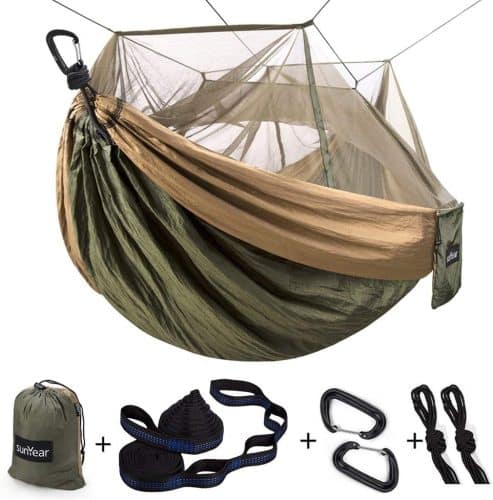
Here is for example a sleeping bag-hamac:
Here is for example a BEST SELLER sleeping bag:
First Aid Kit
Your medication (anti-diarrhea, headaches, personal treatments)
A roll of toilet paper
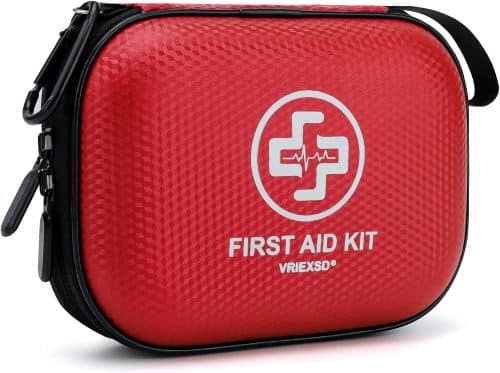
First aid kit (there are all-in-one kits) containing basics such as disinfectant, plasters, bandages, scissors, scalpel, tissues, etc.:
Other emergency kits
Depending on your needs, your tastes and the size of your bag, you can plan to prepare other additional kits.
You can consider a DIY kit, an orientation kit, an administrative kit, a tech kit, a pandemic kit or any other kit of your choice (baby kit for example or pet kit).
DIY Kit
A DIY tool kit can be really useful for buscrafting life. A minimum set includes:
Survival knife: essential for cutting branches and for dealing with any unforeseen circumstances. However, avoid exposing it to the eyes of all, it could scare other people or seem threatening to the authorities. You can also choose a multifunctional knife, like a Swiss Army knife. Discover our selection by clicking here.
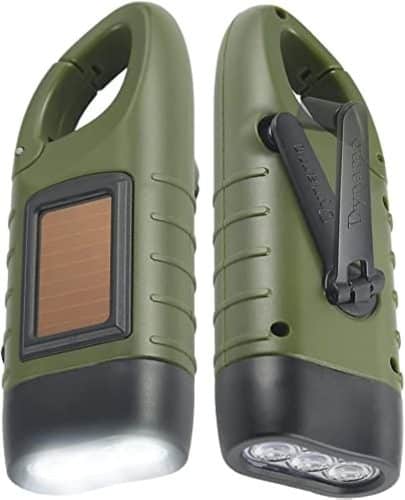
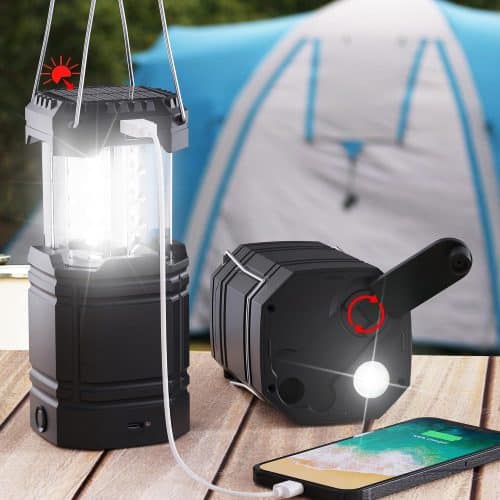
Headlamp, flashlight or dynamo lamp: take a light source with you, it will be very useful in the dark. You can even hang it on the outside of your bag. This way, you will have it at hand and you will save space inside your B.O.B.
Just remember that a headlamp is great for keeping your hands free, but it will dazzle anyone you come across.
A manual dynamo lamp is easily recharged with its crank.
A flashlight can be used as a stick or baton in case of a threat.
Tip:
Attach a small, foldable, empty bag to your escape bag. This way you can easily carry extra space
Orientation Kit
Being able to orientate yourself in the wilderness is very important and there are now many survival items dedicated to that.
Whether you are more of the “old school” with a good old map or more of the latest technology, you will have a lot of choice as survival items:
Foldable IGN road mapand if possible protected (laminated). Choose the most detailed one possible and remember to study it in advance. You can write down important landmarks with a marker.
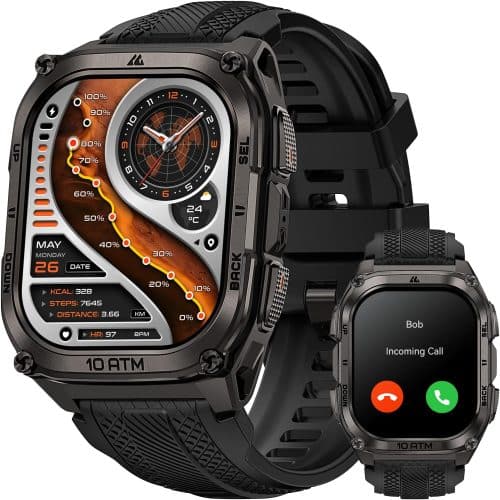
GPS: we recommend a connected GPS watch. Always on your wrist, a connected sports watch with integrated GPS will offer you the best in this field.
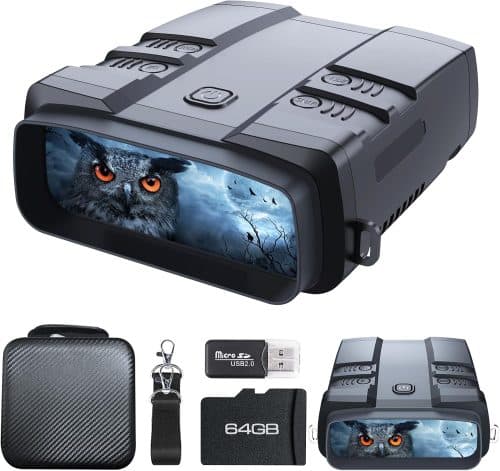
Compass: This unstoppable survival tool will give you immediate direction. There’s nothing to stop you from learning to navigate by the stars or the moss on the trees, but a compass is designed to be accurate and instantaneous in case of an emergency or lack of natural landmarks. Compact binoculars: If you have the budget, opt for a small pair to spot all the details of the terrain invisible to the naked eye.
Kit Tech – Tools
When living in the bush, certain items that were once unnecessary become indispensable. In particular, you’ll need to be equipped with gear to communicate or signal for help in case of danger or an emergency. Here are the minimum essentials:
Whistle: We don’t think about it enough, but it’s very useful for signaling that you’re lost—and… it doesn’t take up any space. Be sure to clip it to your chest.
A radio to stay in contact with the other members of your group. Whether it’s a solar-powered dynamo radio or a battery-powered radio, be sure to also bring a solar charger or a backup battery.
Your cell phone (and its charger), even if you might not be able to use it once the battery dies or you’re out of cell range.
Any survival tools you think might be useful: a folding shovel, a crowbar, a small axe, a small saw, rope, or even lock-picking tools (very useful for opening padlocked or locked items, like the lock-picking kit shown below).
Administrative Kit
This kit could be forgotten, and yet it is important. Remember to prepare :
A small zipped bag with your ID, driver’s license, Social Security card, all your precious documents that you keep against you or if you prefer, in your survival bag.
It can also be a USB key containing all your precious information, including medical information or people to notify in case of emergency or delicate situation.
Your medications if you are on medication, your eyeglasses. Consider also a paper that would indicate, to whom would find you unconscious or injured, your blood rhesus, your possible allergies, etc.
Pandemic Kit
In the event of a serious pandemic or chemical threat that occurs during your bushcraft, you may want to prepare the following emergency equipment (HERE) or Emergency Food on this page:
Gas mask
Antibacterial protective suit
Heat insulating gloves
Geiger counter
Iodine tablets to purify water
On a attendu d'être sûrs que le contenu de ce site vous intéresse avant de vous déranger, mais on aimerait bien vous accompagner pendant votre visite... C'est bon pour vous ? Signé : les compagnons Cookies